
Summary:
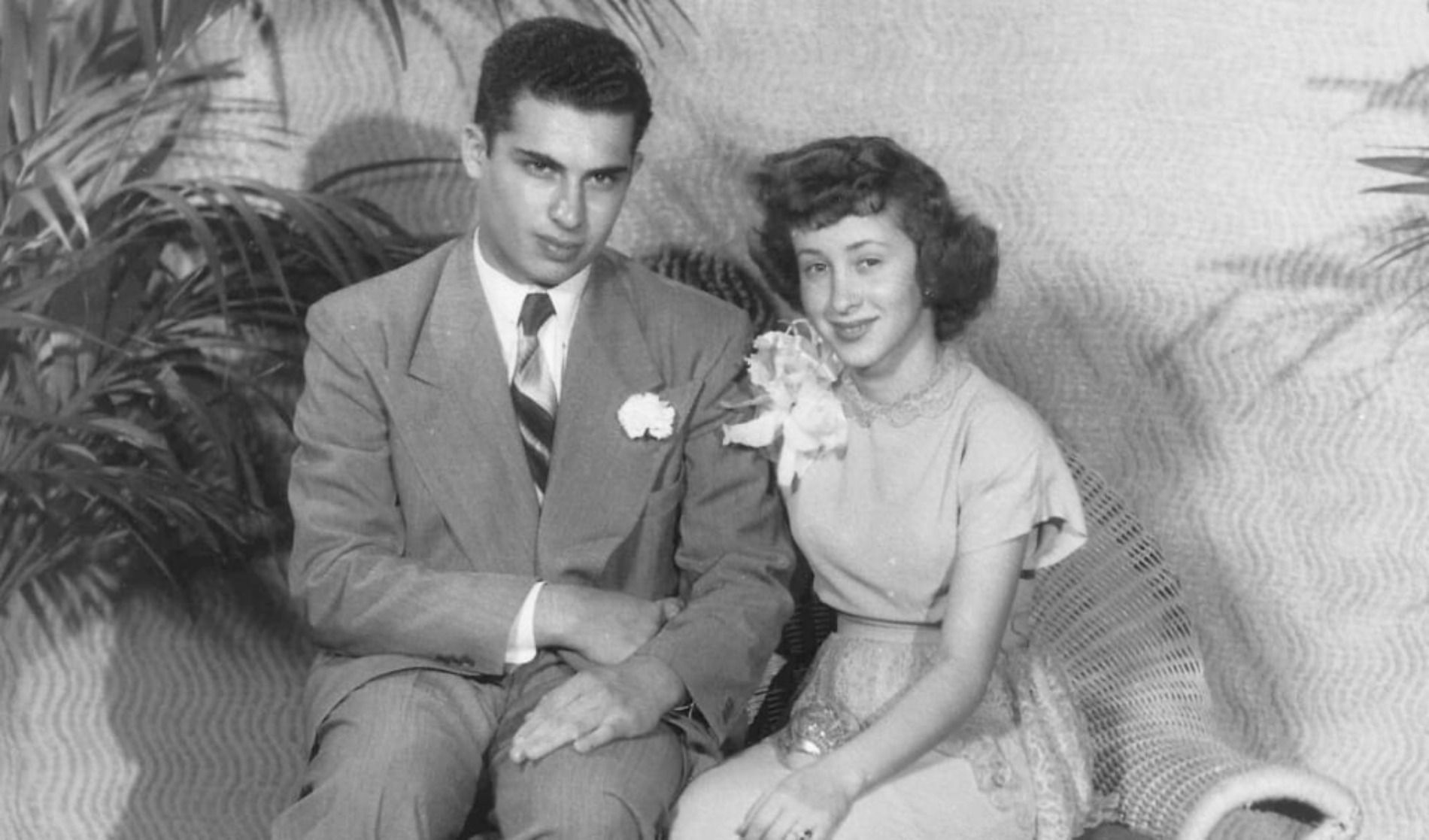
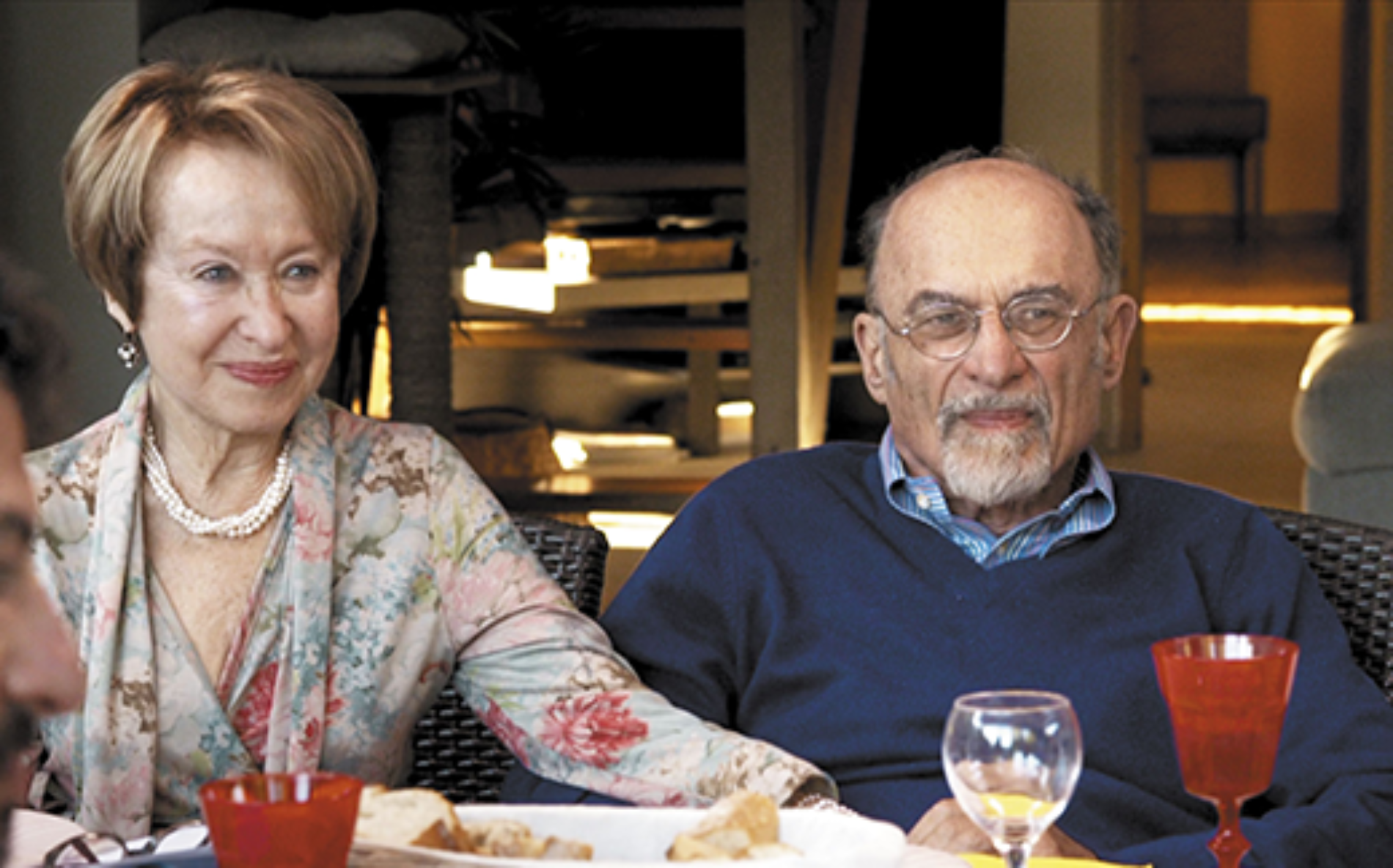
Unconditional love is the highest power in the universe, and it's that kind of love that characterized the marriage of Irvin and Marilyn Yalom for more than 65 years until her death from cancer in 2019. This book is their joint account of her descent into illness and Irvin's struggle to live without her from now on.
Irvin Yalom is one of the founding fathers of existential psychotherapy, along with Rollo May and others, and Marilyn was an esteemed author and activist who matched Irvin book for book for her entire career.
For this book, they took turns writing, chapter for chapter, until she became too sick to write and Irvin took over the writing responsibilities, along with everything else that came with leaving behind his wife of more than six decades.
It's exactly as sad as it sounds, but it's also an incredibly important book, as I'll show you when we discuss the power of memories, sadness as the price of the courage to love others, and how to use prospective regret to focus all your life energies on the real business of living.
No matter how old you are, you will find something here that will help you live more intensely, love more deeply, and really make the most out of the life that you’ve been given. We can’t stave off death forever, but we’re alive now, and now is amazing. We have this one chance to go out and do everything we ever dreamed of, and enjoy this last perfect day of summer.
As we read about Marilyn approaching the winter of her life and Irvin facing his first months alone, I must say that their relationship – all seven decades of it – sounds like one of the most perfect love stories I’ve ever read about. They seem to have drained every last drop out of life in those seventy-plus years. In fact, that’s one of the things they say has somewhat fortified them against the fear of death: the fact that they’ve lived their lives fully.
Their story teaches us how to leave behind everything without regret. Marilyn and Irv must leave each other, but their unconditional love remains.
Key Ideas:
#1: One of the worst fates imaginable is to get to the end of your one and only life and realize that you could have been so much more fully alive. When there's no more time left to act is when the sting of regret is felt most strongly, and it's your task as a human being to live in such a way that any possible regret you might feel at the moment of death is neutralized and expelled by the way you've lived out your life and your human possibilities.
It's the immediacy of death, or rather, the cultivation of an awareness of the reality of death that can most reliably prevent such regret from poisoning your last days. As much as possible, you have to reach across time and space and vividly call to mind the person you'll become - or fail to become - if you don't maximize this day, this moment, and claim it forever as yours.
Irvin and Marilyn Yalom were able to do this, for the most part, and he has this to say:
“Both of us feel we’ve lived our lives fully. Of all the ideas I’ve employed to comfort patients dreading death, none has been more powerful than the idea of living a regret-free life. Marilyn and I both feel regret-free – we’ve lived fully and boldly. We were not to allow opportunities for exploration to pass us by and now have left little remaining unlived life.”
Irvin and Marilyn were very lucky in their lives, sure, but you can see how intentional they were as well. It was because of a lifetime of thinking through these ideas to their logical conclusions and trying to live up to the profound lessons that they were able to minimize the pain of regret in the end.
It's a lifetime project, and the human capacity for achievement and adventure is great, but you never, ever want to get to the end of your life and realize that you could have given more. That you could have tried harder, helped more, become more. As Nikos Kazantzakis has Zorba the Greek say in his novel of that same name, we must "leave death nothing but a burned-out castle."
Or as the poet, Charles Bukowski says, "We are here to laugh at the odds and live our lives so well that Death will tremble to take us.”
#2: “Mourning is the price we pay for having the courage to love others.”
As Martha Nussbaum says in The Therapy of Desire, making a commitment to something - or someone - opens ourselves up to being hurt, but it's also where most human meaning comes from. People who never commit to anything beyond themselves and their own selfishness may never be hurt as badly as those who do make such commitments, but the quality and substance of their very lives will be impoverished.
In the context of the above quote, if we never exhibit the courage to love someone who will eventually be taken away from us, sure, we may never have to mourn their loss, but we will instead be deprived of something infinitely more valuable.
The same dynamics play out all across the drama of human life, in that when you sacrifice for something, the meaning that you derive from that, by definition, makes that sacrifice meaningful. We don't value what we didn't earn or didn't have to work for, and we don't value what we didn't sacrifice for.
The answer to this basic feature of human life isn't to close ourselves off in a misguided effort to avoid ever being hurt. Rather, the answer lies in merging our lives with others, towards a common end or goal, towards a stronger and more meaningful connection. Those connections are impermanent. They will dissolve in the eternity of space and time. But the alternative is too terrible to contemplate.
#3: The "problem" of death remains insoluble, and there is no cure. Philosophers like Alan Watts, however, would point out that the existence of a problem is sometimes the result of a question being asked in the wrong way.
Watts tells the story of how, when he would consult with students about their fear of death, it would emerge that they seemed to have an idea of death as kind of like being locked in a dark room forever, and having to sort of "undergo" that. It's a classic case of inventing a problem where there really isn't one, since whatever death is, it's certainly going to be a change from what's come before.
The only thing any of us knows for sure is that we will lose people and things we care about, and that this process will continue on and on until it's our time to die as well. Yalom faces this head-on when he says:
“Still, even if I am not afraid of death itself, I feel the continued sadness of separating from my loved ones. For all the philosophical treatises and for all the assurances of the medical profession, there is no cure for the simple fact that we must leave each other.”
"We must leave each other." Whatever else happens, that's one thing that we can be sure of, and it's also the most unbearable aspect of death for most people. It's the severing of an infinitely meaningful relationship that hurts so much, not the fact of our own death or anything that may or may not happen to us, whatever we have to "undergo." Realizing this, however, changes everything.
True, unconditional love can never be destroyed or lost, and the passing of one person does not end the relationship. The bond remains, the "love that moves the sun and the other stars" never flickers out. We must leave each other, but until then, we are all we have.
#4: When the last person to remember them dies, all memories of a particular individual will be lost forever and ever. There will be no one left alive who remembers them first-hand, though they may continue to exist in pictures, videos, etc. Irvin Yalom recognized this when he said:
“I grow aware of important chunks of my past disappearing from my memory. Marilyn shields me from this by her astounding recall. But when she’s not available, I am staggered by the holes in my memory. I realize that, when she dies, a great deal of my past will die with her.”
I realize that this isn't particularly uplifting! But I see an opportunity here as well. At the end of our lives, all that we'll have left are our memories, so we should optimize for spectacular memories. We should create as many wonderful memories with the people we love, while we still can, so that when we do leave each other, something vital will remain.
#5: “The more fully you live your life, the less tragic is your death.”
Expanding on what we've spoken about above, death has to be the very worst thing imaginable in order for life to be the very best thing imaginable, and to encourage us to enjoy it to the very last moment. It's the very terribleness of death that offers us the gift of urgency, as well as the vitalizing awareness that we have zero time to waste, and any life that we're going to live has to be lived now.
As the director, Stanley Kubrick said, "The dead know only one thing, it is better to be alive." In one sense, that's another not-very-uplifting thing that I'm subjecting you to here, but in another sense, it's the most freeing idea in the world because it crystallizes, compellingly and urgently, the fact that our lives are infinitely valuable.
Death is the greatest injustice ever perpetrated in the universe - we rise from the mud only to be granted the briefest of moments to glance up at the stars before returning to the mud. But the reality of death confers ultimate meaning on life, and human beings show their nobility and greatness of soul in proportion to the extent that they can transcend that injustice.
"What we do now echoes in eternity," says Marcus Aurelius, but the fact that we once lived will never be erased. All the love, courage, generosity, excitement, and electricity that we display during our lives can never be struck from the record of the universe. Death ends a life, but it can never end a relationship.

Book Notes:
“She was never happier. From that point on, we were fellow writers, and for the rest of her life, despite four children and full-time teaching and administrative positions, she matched me book for book.”
“A man cannot stand prepared for death if he has just begun to live. We must make it our aim to have already lived enough.”
-Seneca
“Living safely is dangerous.”
-Friedrich Nietzsche
“Ten years later, my sister and I visited my mother in the hospital: she had fractured her femur. We sat and talked with her for a couple of hours until she was taken into surgery. The two of us took a short walk outside, and when we returned her bed was entirely stripped. Only the bare mattress remained. No more mother.”
“I am always touched by my fan letters, though, at times, I am overwhelmed with their number. I make an attempt to answer each letter, taking care to mention each writer by name so they know I’ve read their letter. I store them in an email file marked ‘fans’ which I started a few years ago and which now has several thousand entries. I mark this letter with a star – I plan to reread the starred letters some day in the future when my spirits are very low and need bolstering.”
“It was such an odd experience to have thoughts in your brain that you simply cannot turn into speech.”
“But our greatest problem will be disposing of our books, some three to four thousand of them.”
“Look into any room (except the dining room) and into several of the closets, and you will find books, books, books. We have been book people all our lives, and even though Irv now reads largely on an iPad, we still seem to be acquiring books in their familiar paper form. Every few months we send boxes of books to the local public library or to other non-profit organizations, but that scarcely makes a dent in the wall-to-wall shelves that line most of our rooms.”
“There’s nothing wrong with privilege. Everyone should have it.”
“Could I really have been as kind and generous as my friends said I was?”
“She pulls me toward her and says, ‘Irv, don’t forget I’ve been living in pain and misery for ten months now. I’ve said to you again and again that I cannot bear the thought of living like this any longer. I welcome death, I welcome being free of pain and nausea and this chemo brain and this continual fatigue and this feeling awful. Please understand me: trust me – I’m certain that if you had lived all these months in my condition you’d feel the same way. I’ve alive now only because of you. I’m devastated at the thought of leaving you. But, Irv, it’s time. Please, you’ve got to let me go.’”
“I have no higher pleasure than holding hands with Marilyn. I cannot get enough of her. It’s been like this since junior high. People kidded us about always holding hands at lunchtime in the Roosevelt High School cafeteria – we’re still doing it seventy years later.”
“Perhaps this is part of the reason for my sadness when I can no longer recall the face of a patient I knew long ago. It’s as though I’m releasing someone’s hand and allowing them to drift off into oblivion.”
“Several hours later, when I go to bed for the night, I feel unmoored and unreal. This will be my first night without Marilyn. The first of all my solitary nights until the end of my life. Oh, I’ve had many nights without Marilyn as I lectured in other cities or when she was visiting Paris, but this is the first night I’ve ever gone to sleep when there was no Marilyn, when Marilyn no longer existed.”
“Leave death nothing but a burned-out castle.”
-Zorba the Greek
“I know that I will exist in ethereal form in the minds of those who have known me or read my work but, in a generation or two, anyone who has ever known the flesh-and-blood me will have vanished. I shall end our book with the unforgettable opening words of Nabokov’s autobiography, Speak, Memory: ‘The cradle rocks above an abyss, and common sense tells us that our existence is but a brief crack of light between two eternities of darkness.’ That image both staggers and calms. I lean back in my chair, close my eyes, and take comfort.”
Important Insights from Related Books:
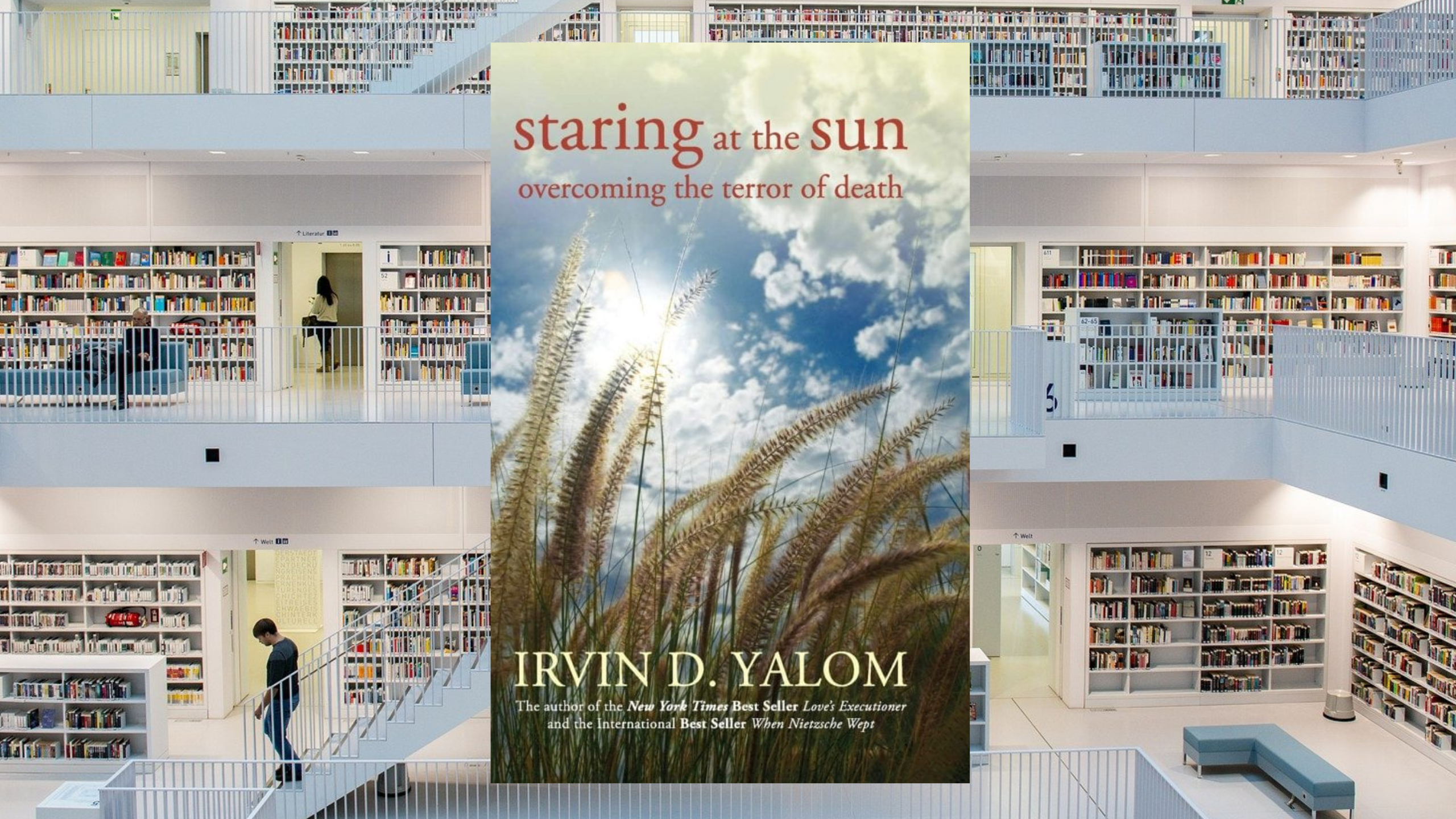
Staring at the Sun, by Irvin D. Yalom:
“Though the physicality of death destroys us, the idea of death saves us.”
“The last burst of my heart would be inscribed on the last page of my work and death would be taking only a dead man.”
-Jean-Paul Sartre
“I do not intend this to be a somber book. Instead, it is my hope that by grasping, really grasping, our human condition - our finiteness, our brief time in the light - we will come not only to savor the preciousness of each moment and the pleasure of sheer being but to increase our compassion for ourselves and for all other human beings."
This Book on Amazon: Staring at the Sun, by Irvin D. Yalom

Zorba the Greek, by Nikos Kazantzakis:
“He stares likewise with protruding eyes and asks in the same way when astonished by the sight of a man, or a blossoming tree, or a refreshing glass of water. Each day Zorba views everything as though for the first time.”
“Those two paths are equally uplifting and rugged; both can lead to the summit. To act as though death does not exist and to act with death in mind at every moment – perhaps both paths are the same.”
“Have you ever seen the sort of ship’s sails that have been mended in a thousand places with red, yellow, and black patches sewn with a strong cord, so that these sails never tear again even in the greatest tempests? That’s what my heart is like. Pierced a thousand times, patched a thousand times, durable.”
“Action, action! No other salvation exists.”
This Book on Amazon: Zorba the Greek, by Nikos Kazantzakis
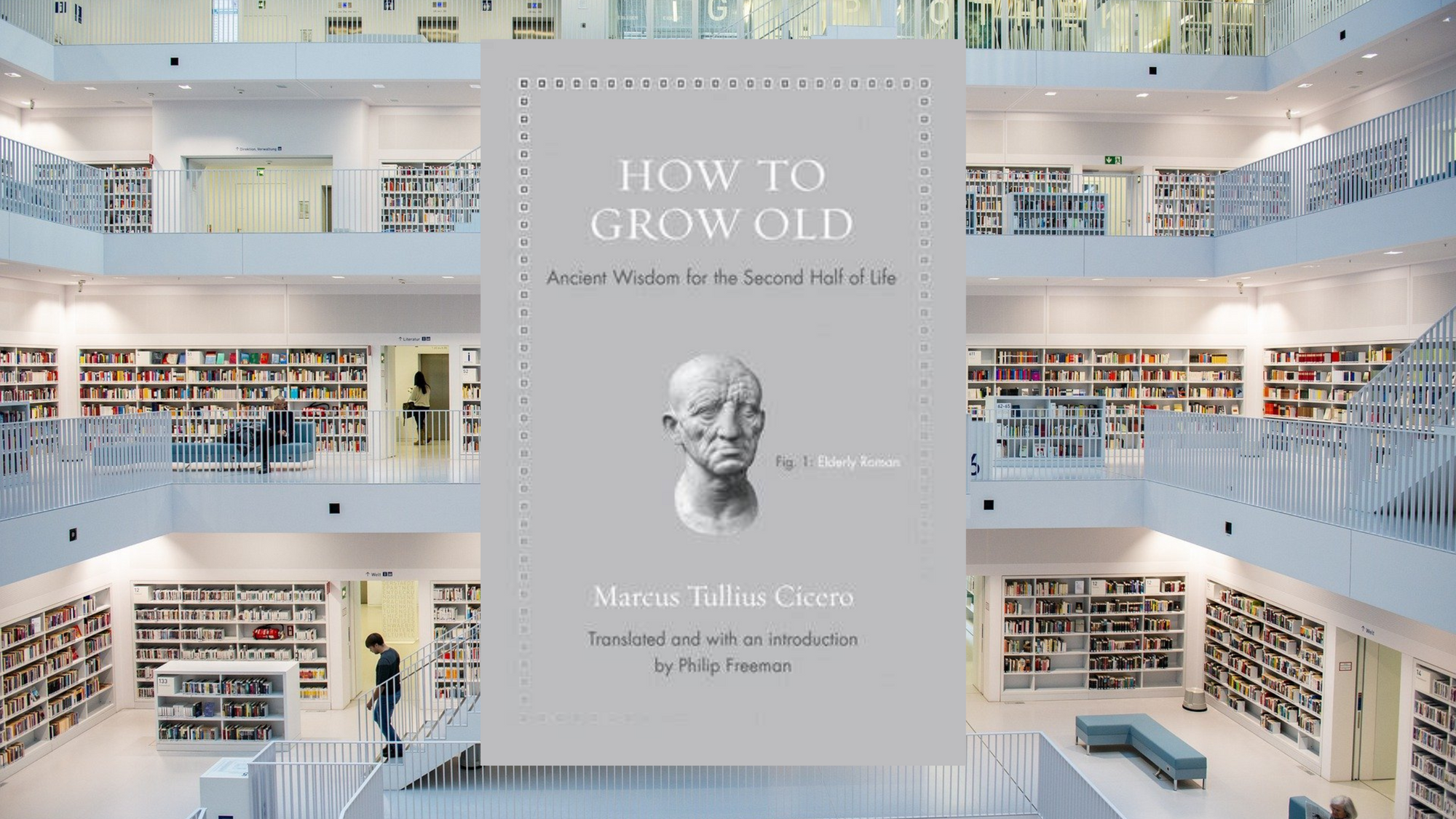
How to Grow Old, by Marcus Tullius Cicero:
“A good old age begins in youth. Cicero says the qualities that make the later years of our lives productive and happy should be cultivated from the beginning. Moderation, wisdom, clear thinking, enjoying all that life has to offer – these are habits we should learn while we are young since they will sustain us as we grow older. Miserable young people do not become happier as they grow older.”
“Those who lack within themselves the means for living a blessed and happy life will find any age painful. But for those who seek good things within themselves, nothing imposed on them by nature will seem troublesome.”
“Life is like a play. A good actor knows when to leave the stage.”
Read the Full Breakdown: How to Grow Old, by Marcus Tullius Cicero
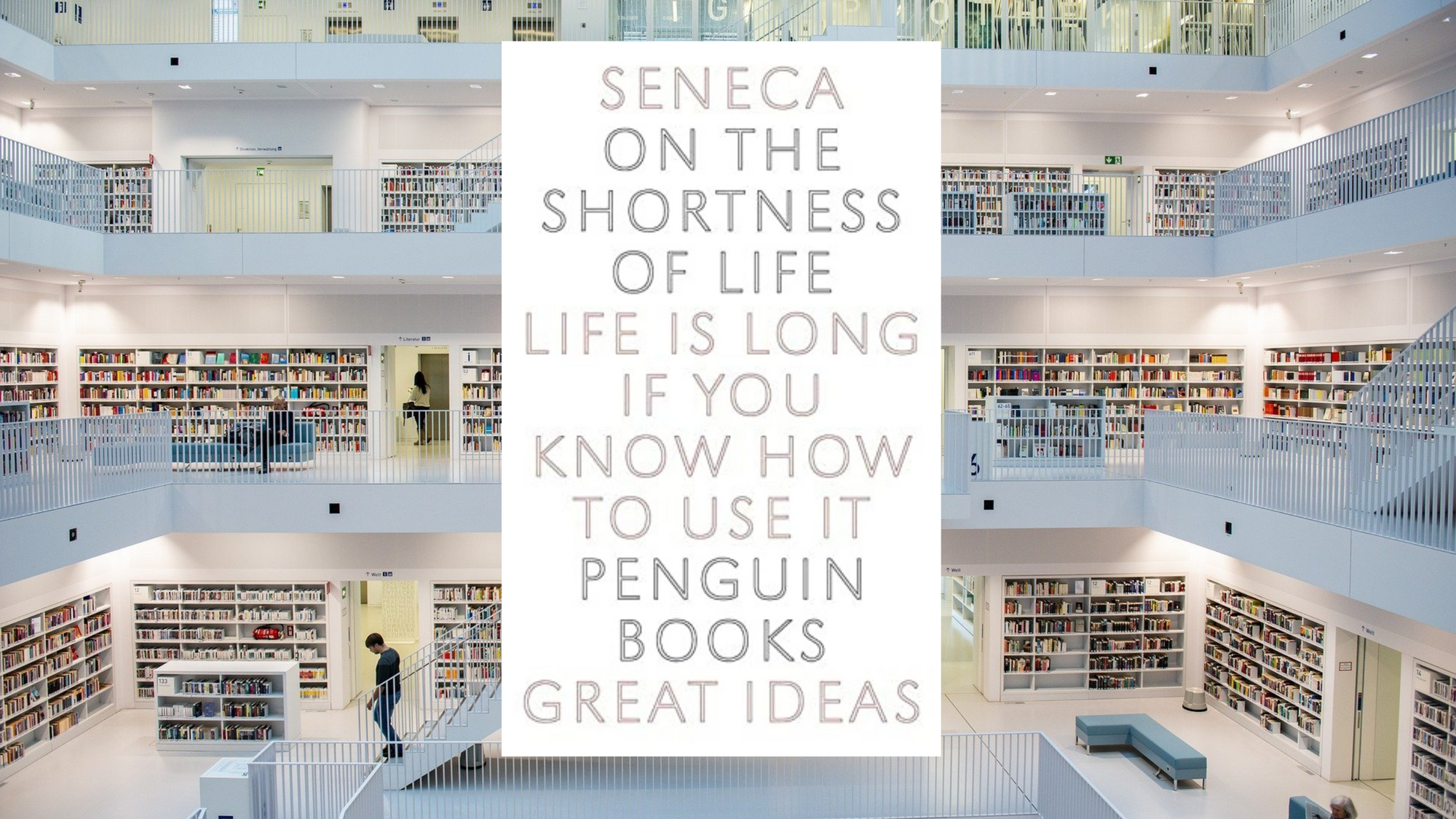
On the Shortness of Life, by Seneca:
“It is not that we have a short time to live, but that we waste a lot of it. Life is long enough, and a sufficiently generous amount has been given to us for the highest achievements if it were all well invested.
But when it is wasted in heedless luxury and spent on no good activity, we are forced at last by death’s final constraint to realize that it has passed away before we knew it was passing. So it is: we are not given a short life but we make it short, and we are not ill-supplied but wasteful of it…Life is long if you know how to use it.”
“The greatest obstacle to living is expectancy, which hangs upon tomorrow and loses today. You are arranging what lies in Fortune’s control, and abandoning what lies in yours. What are you looking at? To what goal are you straining? The whole future lies in uncertainty: live immediately.”
“It takes the whole of life to learn how to live, and - what will perhaps make you wonder more - it takes the whole of life to learn how to die.”
This Book on Amazon: On the Shortness of Life, by Seneca

The View from the Opposition:
No one's ideas are beyond questioning. In this section, I argue the case for the opposition and raise some points that you might wish to evaluate for yourself while reading this book.
#1: Money has nothing to do with it.
I won't spend a lot of time on this, because it's honestly not worth it. A few of the reviews of this book mention Irvin and Marilyn's relative privilege, as though that has anything to do with the existential tragedy of two people who love each other being separated forever by time and space. If they read the book and that's what they got out of it, then they really haven't understood a goddamn thing.
#2: You don't have to get married.
The Yaloms' marriage was one of the greatest sources of meaning in their entire lives, but I don't think that either one of them would say that anyone who doesn't choose to get married is automatically worse off than someone who does. For them, being married gave their lives incredible meaning, but it's not a necessary condition for living a full life.
So this isn't to argue against them, but rather to say that there are many avenues for developing your highest human potential, and marriage is but one of those available avenues. I think it has more to do with living for something or someone beyond yourself and transcending one's natural self-orientation. It's about connection generally, more than marriage specifically.
"The test of a first-rate intelligence is the ability to hold two opposed ideas in the mind at the same time and still retain the ability to function.”
-F. Scott Fitzgerald
Action Steps:
So you've finished reading the book. What do you do now?
#1: Memento mori.
Latin for "remember that you have to die," the phrase "memento mori" appears often in Stoic philosophy as a reminder to live fully, live intensely, and not to take the rough times so seriously. It's a wonderful mental device for keeping things in perspective, and reminding myself that I'm going to die is one of the best ways I know of to shake off lethargy, regain focus and clarity, and dive back into life.
#2: Make a sacrifice.
Our lives are meaningful in proportion to the value of the sacrifices that we make. In the same way that human beings don't value things that we get for free, making a sacrifice is a great indicator that we do value something. It's why giving $100 when you have $1,000,000 isn't nearly as meaningful as giving $100 when you only have $105.
So if you want your life to be more meaningful, look for meaningful sacrifices you can make. Show people you care. Give. Commit to something, give it your full effort and energy. If it's easy for you, it's probably not enough of a sacrifice and it won't be nearly as fulfilling. You can repeat this process for the rest of your life and it will never, ever get boring.
#3: Make more memories.
At the end of your life, what do you have? Most likely, your health will be gone, your money will be of much less value, all sorts of things will have been taken away from you - but your memories remain.
Memories are all we have at the end, so get busy storing them up today! Go out on adventures, make new friends, keep up with old friends, take lots of pictures, say "yes" to that thing that you'll remember for the rest of your days.
#4: Become regret-proof.
This plays right into #3. Most of the time, we regret things that we didn't do, more than we regret the things that we did. So take action. Ask yourself, "Will I regret not doing this?" And if the answer is, "Yes, I would hate myself for the rest of my life," then you know what you have to do! The worst fate for a human being to suffer is to get to the end of their life and think, "I could have lived so much more. I could have done more. I could have given more."
About the Authors:
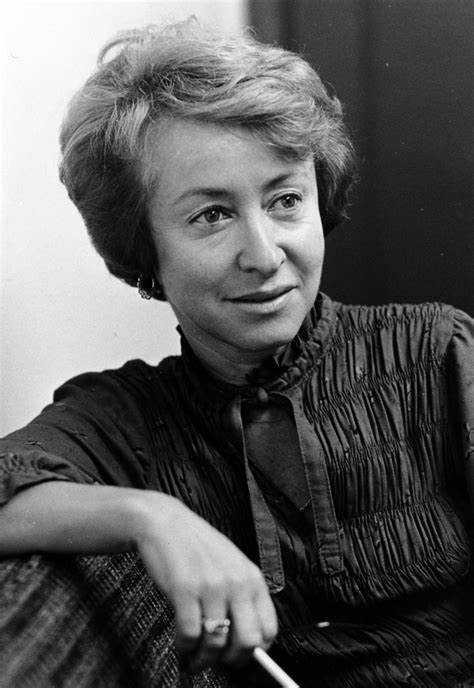
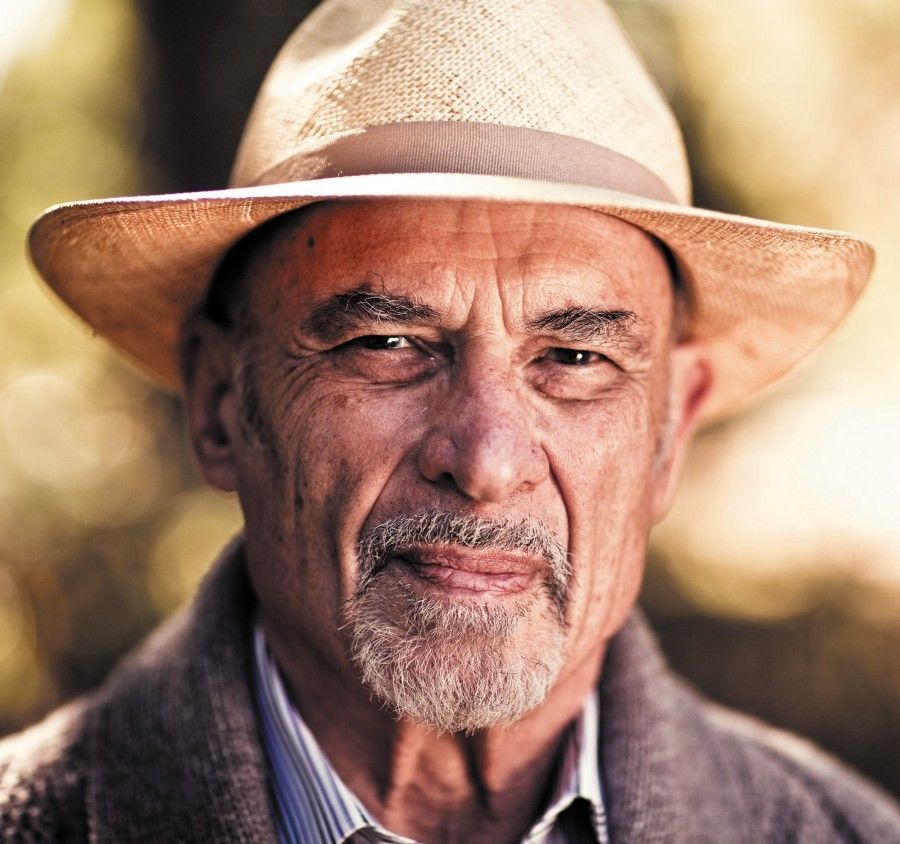
Irvin D. Yalom, emeritus professor of psychiatry at Stanford University, is the author of internationally bestselling books, including Love’s Executioner, The Gift of Therapy, Becoming Myself, and When Nietzsche Wept.
Marilyn Yalom's books include classics of cultural history such as A History of the Wife, Birth of the Chess Queen, and How the French Invented Love, as well as her final book released posthumously, Innocent Witnesses: Childhood Memories of World War II. They were married for sixty-five years.
Additional Resources:
Irvin Yalom in Conversation with Lori Gottlieb
Marilyn Yalom - How the Image of the Heart Became the Symbol of Love
This Book on Amazon:
A Matter of Death and Life, by Irvin and Marilyn Yalom
If You Liked This Book:
Staring at the Sun, by Irvin D. Yalom
Creatures of a Day, by Irvin D. Yalom
How the French Invented Love, by Marilyn Yalom
A History of the Wife, by Marilyn Yalom
On Death and Dying, by Elisabeth Kubler-Ross
The Denial of Death, by Ernest Becker
The Birth and Death of Meaning, by Ernest Becker
Man's Search for Meaning, by Viktor Frankl