
Summary:
Robin Sharma’s one of the “good guys” in the personal development space, and with over 15 million books sold, he’s one of the top leadership experts in the world. Sure, not everything popular is good, but for the most part, his ideas are rock solid, and you really can’t go wrong with his books.
And...we went to the same university! He was born like, a couple of hours away from my house!
Alright, that doesn’t have anything to do with anything, but I mentioned elsewhere that Pema Chodron lives near me too, which leads me to wonder at how much knowledge and wisdom exists all around me - and you.
Anyway, Sharma helped drive home to me the idea that you can get (almost) everything you want in life, as long as you help enough other people get what they want.
This is an idea with massive implications.
It means that instead of looking for what you can get from other people, what you can extract from the marketplace, you should be thinking of what you can contribute. If you look at almost everyone who’s achieved professional business success, it’s because they created something that lots of other people wanted, and that made their lives demonstrably better. They added value to the marketplace, to humanity, and they were rewarded.
You need to start thinking like this as well. If you want to make an impact, that is. For example, people wanted supercomputers in their pocket, Steve Jobs gave it to them, and he was rewarded. People wanted great coffee on the go, Howard Schultz gave it to them, and he was rewarded.
Whether that motivation was conscious is beside the point. The point is that when you make other people’s lives better, your life will get better. Isn’t it wonderful that that’s true!? Isn’t that an incredibly life-affirming realization!?
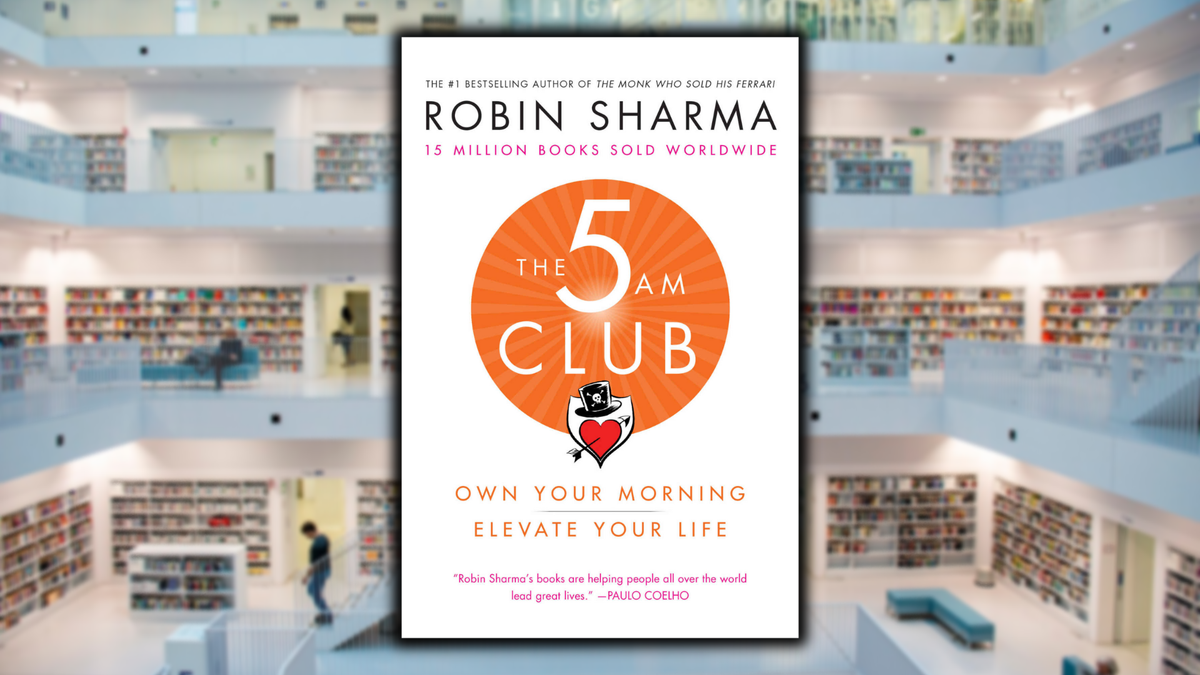
The 5am Club is a story laced with lessons. Essentially, two strangers meet at a business event hosted by an eccentric tycoon who then takes them both under his wing and teaches them about how to crush it in life and in business.
A word of warning: have some patience with respect to the dialogue and plot. Sharma’s hardly Dostoevsky, and throughout I was like, “Oh come on! People don’t talk like that. What the hell, man!?” Or, “Oh come on! That’s the most cliched shit. Stop trying to be James Patterson.” But the book - and the advice - is really good! If you absorb the lessons in this book, you will become a rockstar. I can’t emphasize that enough. So just try to forget that he makes Ayn Rand look like Henry James. You’ll feel better.
At the bottom, it’s about going through life at “world-class.” It’s about not settling. With respect to your contentment, your relationships, your income, your health, your everything - the message is to always demand the best for yourself and to prove to yourself that you’re worth it, that you deserve it.
You do this by choosing the hard way, not the path of least resistance; by focusing on giving, on contributing, rather than being a bottomfeeder.
See, most people are looking for the easy way to the top, to their goals (if they even have any), and to success. That’s why most people will never make it! They aren’t willing to do whatever it takes. They aren’t willing to take a step in belief, demand the best of themselves and for themselves, and take a big swing for everything they’ve ever wanted.
That being said, once you get to the top, do you know what you’ll find there?
Nothing.
That’s right. At the top, at the end of your fight to “make it,” there’s nothing.
Nothing except the memories and experiences you have getting there. So enjoy the climb. Purse meaning rather than expediency, and go through life at world-class. This book will show you how.

Key Ideas:
#1: You can get almost anything you want out of life, as long as you help enough other people get what they want. Life is about being of service to others, gracefully and elegantly, and if you can do that, you will be rewarded. The key is to not do it in order to get something in return but to do it because you love being of service. This can take time.
#2: Hard is good! So don't look for an easy way to do what's supposed to be hard. Success isn't easy; if it were easy, everyone would be wildly successful and no one would read personal development books.
But, you should remember that the hard things are usually the best (people hate doing squats and deadlifts, but these are the best muscle-builders), and everything that's easy for you now used to be difficult in the beginning.
#3: When it comes to good habits, you're going to wish you had started way earlier. As they say, the best time to plant a tree was twenty years ago. The second best time is today.
#4: Whatever we do today is slowly and surely creating the future that we'll someday live in. So maximize today, and take heart, because your current position matters much less than your current trajectory. You may not be where you want to be now, but if you're on a good path, you'll eventually get there.
#5: Five small victories or incremental progress in five key areas per day will add up to 1,825 small victories over the course of a year.
#6: We all wish we had more time, but then we end up wasting it doing stupid, useless things. We need to respect our own time, as well as everyone else's, by consciously directing it only to worthwhile activities that are in line with our highest priorities, and that will move our dreams and ambitions forward.
#7: Tranquility is the new luxury. Lots of people who have money don't have a life. That being said, there are plenty of people who live prosperous lives, with plenty of savings and all their bills paid, and who have time to relax, rejuvenate, and enjoy life.
Be like them. Don't be like the people who kill themselves at work for some paycheck. It's not worth it. Join the New Rich, and aspire towards tranquility and peace of mind.
#8: Go through life at "world-class." Don't settle for anything less than excellence in all that you do, say, and have. Raise your standards, work hard for your vision, and enjoy your rise to the top.

Book Notes:
“So many of us die at thirty, and are buried at 80.”
“Hard is good.”
“Most people can’t stand themselves. So, they can never be alone.”
You don’t need any special qualifications or training in order to be of service to others.
Everything you find easy now, you once found difficult.
A year from now you’ll be so glad you began today.
“A bad day for the ego is a great day for the soul.”
There’s a ton of competition for ordinary, but hardly any competition for extraordinary. As they say, there's no traffic along the extra mile.
We wish we had more time, but then we waste the time we have. This is senseless; don't do it.
"These are the finest hours of your greatest days."
Abraham Maslow: “If you plan on being anything less than who you are capable of being, you will probably be unhappy all the days of your life.”
“Without always reflects within.”
“What we are doing today is creating our future.”
“Neglect your power for long enough and you’ll eventually come to believe that you don’t have any.”
Space shuttles use more fuel taking off and escaping the earth’s orbit than they do at any other part of the journey. It's always harder to start at the beginning than it is to keep going.
“Tranquility is the new luxury of our society.”
“Consider what needs to happen for today to be a great day amid the construction of a legendary life.”
Michelangelo: “If you knew how much work went into it, you would not call it genius.”
Five Primary Assets: Mental Focus, Physical Energy, Willpower, Talent, and Time.
The marketplace pays the most for things that are scarce.
Five small victories or incremental progress on five key tasks per day will add up to 1,825 small victories over the course of a year.
"Vague plans yield vague performance."
Oscar Wilde: “With freedom, books, flowers, and the moon, who could not be happy?”
The time you least feel like doing something is the best time to do it.
“Winning without enjoying is nothing.”
“Play in common society and succeed in the game it sells you, but disconnect from it often, so you’re never really owned by it.”
"Go through life at world-class."
There's a story told in the book about a woman who was so incredibly happy whenever you saw someone who was alive, because, she said, "I've seen so many dead ones."
"Live like a hero. That's what the classics teach us. Be the main character. Otherwise, what is life for?"

Action Steps:
So you've finished reading the book. What do you do now?
#1: Look for something specific that you can contribute to the wider world, and then go all in.
Using myself as an example, I’ve done this with books. In many ways I’m just like other people - I like to get stuff. I like money, I like it when people think highly of me, and all that great stuff. But my life changed when I stopped looking for ways to get that stuff, and instead started looking for ways I could make other people’s lives better.
So think through all your skills and capabilities and look for the value that you can offer to others. It’s there. There is something that you can do; you’re the only person who can do it like you do it, and if you don’t do it, then we will all be deprived.
#2: Demand the best.
Going through life at world-class means demanding excellence from yourself, and surrounding yourself with excellence as well.
Specifically, it means reading the best books, surrounding yourself with the best people, owning high-quality things (that enhance your life in meaningful ways), and also demanding the best from yourself.
It’s aiming for the highest level of performance of which you’re humanly capable. This will also require a world-class effort, but it’s so totally worth it.
#3: Choose the most uncomfortable option.
The hardest things are usually the best. An excellent example of this is in the gym, where most people shy away from squats and deadlifts, despite the fact that these are the single best exercises for building muscle! The only drawback is that they’re hard. They fucking suck. And that’s why people don’t do them.
It’s the same reason why people fear rejection, why they don’t take action, and why they don’t take calculated risks. These things are hard, they’re uncomfortable, and it’s so much easier to just stay home. But let me ask you: who was the last hero you’ve heard of who just stayed at home?
#4: Wake up earlier.
This is kinda the whole point behind the title of the book, this idea that successful people usually have some sort of rocking morning routine that enables them to achieve at the highest level.
I sorta skipped over this idea above, but waking up earlier (and getting to bed earlier) will assist you in your rise to the top.
When you wake up before everyone else does, and you commit to starting the day off right, you give yourself the advantage of quiet time, and the opportunity to get your biggest tasks finished before everyone else has even started their day.
Because it’s true: if you lose an hour in the morning, you’ll be chasing it all day.
About the Author:
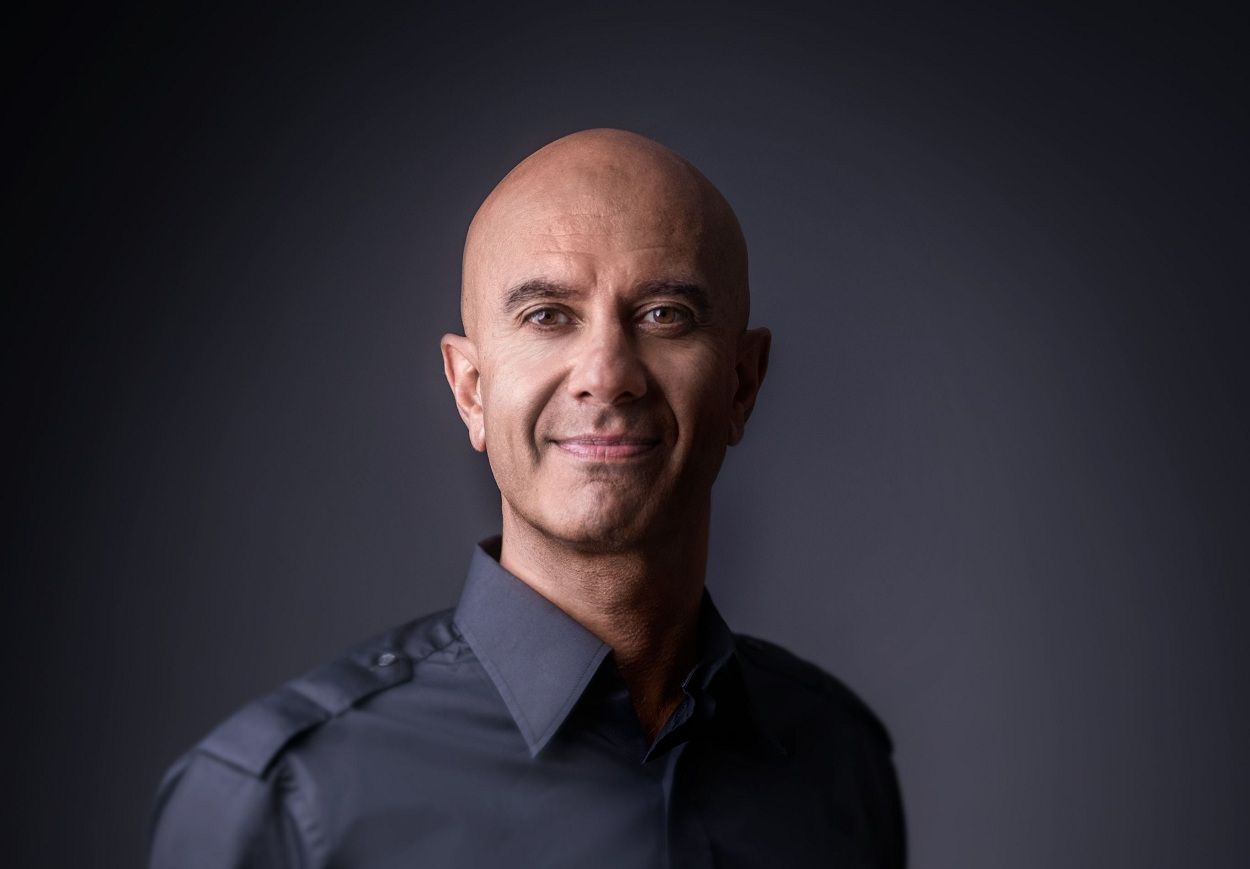
Robin Sharma is one of the top leadership experts in the world. His work is embraced by rock stars, royalty, billionaires, and many celebrity CEOs. With over 15,000,000 books sold, clients such as Starbucks, Nike, GE, The Coca-Cola Company, NASA, and Microsoft are using his leadership methods to drive real growth and top performance.
Additional Resources:
This Book on Amazon:
If You Liked This Book:
The Monk Who Sold His Ferrari, by Robin Sharma
The Greatness Guide, by Robin Sharma
The Four Hour Workweek, by Tim Ferriss
Rich Dad, Poor Dad, by Robert Kiyosaki